Image
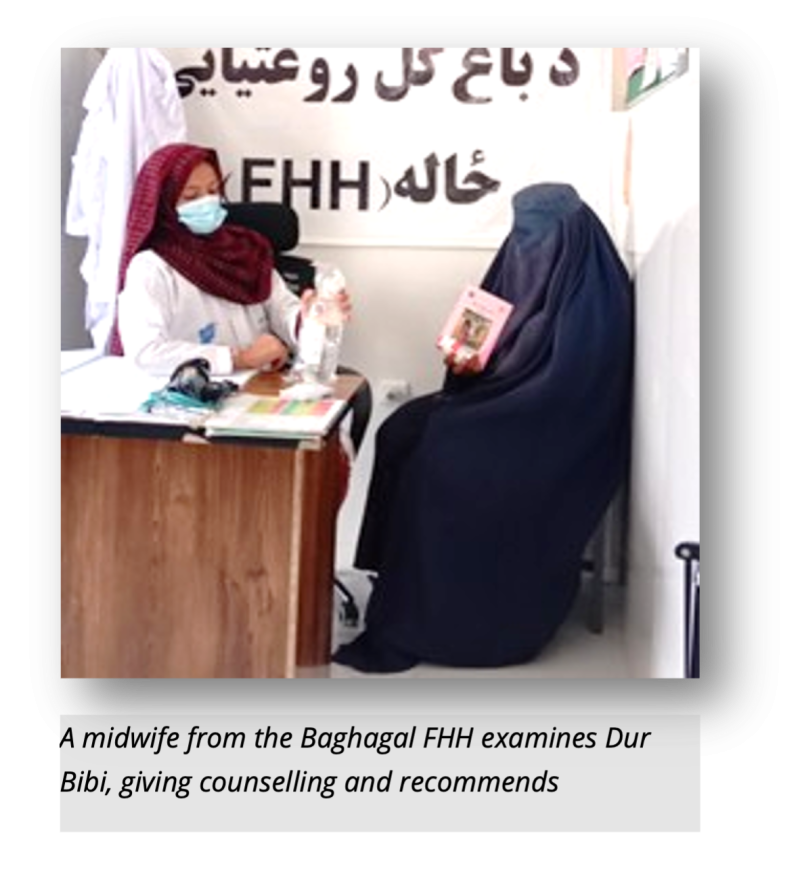

Photo: A midwife attending to Dur Bibi at the Baghagal FHH in Laghman Province. ©UNFPA
Limited access to basic health services remains a serious risk for many families.
In Baghagal Lowy Naw Village, Dur Bibi, a 37-year-old mother of three, faced health complications early in her fourth pregnancy. She experienced dizziness, weakness, and shortness of breath, raising concerns for her and her unborn child.
In her previous pregnancies, she had limited access to antenatal care and sought medical help only when complications arose. As her symptoms worsened, she went to the Baghagal Family Health House (FHH), supported by the Fund.
Midwife Shahida Niazi diagnosed her with severe anaemia and low blood pressure. She provided immediate treatment, including stabilizing medication, iron tablets, and folic acid. Dur Bibi also received guidance on nutrition, rest, and hygiene, along with a follow-up plan to monitor her condition. A mosquito net was provided for malaria prevention.
In addition to medical care, she received counselling to help manage her concerns and stress during pregnancy. Following the treatment, Dur Bibi reported improved health and is continuing regular check-ups. “This clinic has made a real difference in my life,” she said.
The Baghagal FHH, supported by the joint project, provides essential health services in a rural area with limited access to larger facilities. The village is home to host communities and families affected by displacement and return.
The FHHs reached nearly 148,000 people in the Eastern Region. They serve as key entry points for internally displaced persons, returnees, and host communities.