Image


More than 600,000 Afghans returning from Pakistan and Iran have arrived in Kunduz and Baghlan Provinces in Northeastern Afghanistan, with more expected. These are families, women, men, children, looking for shelter, livelihoods, essential services, and a chance to rebuild their lives.
We met some of them during a field mission to communities supported through the Participatory Action for Integrated Developmental Assistance to Areas of Return (PAIDAAR) Joint Project. It was Bruno Lemarquis’ first field mission with STFA in his capacity as Deputy Special Representative of the Secretary-General, Resident and Humanitarian Coordinator for Afghanistan, and Chair of the Fund’s Steering Committee. He was joined by representatives from Norway, Sweden, and Switzerland, as well as UNDP, IOM, UN-Habitat, and UNHCR.
Across more than 15 project sites, the delegation engaged with returnees and host communities. At each stop, rebuilding looked different.
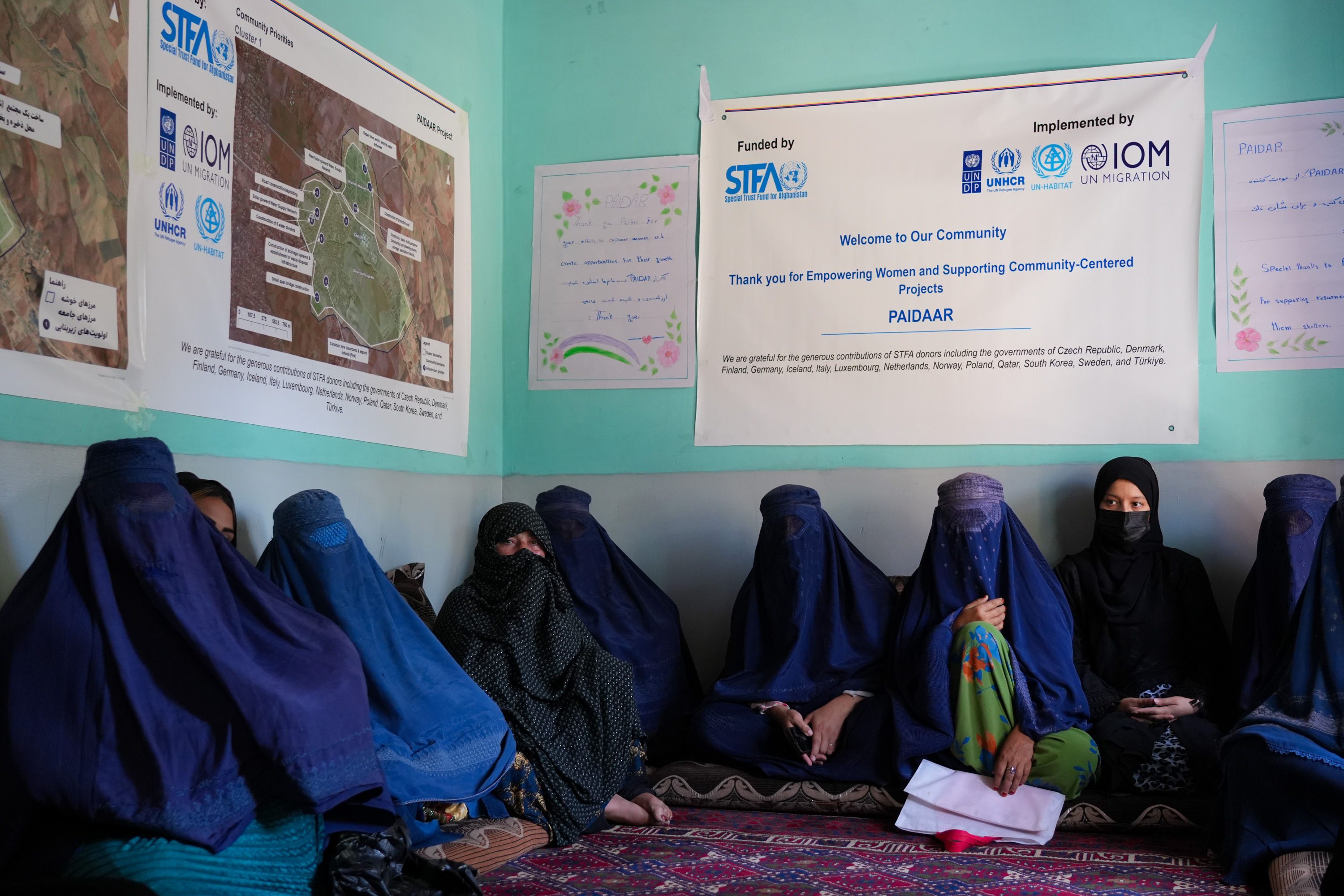
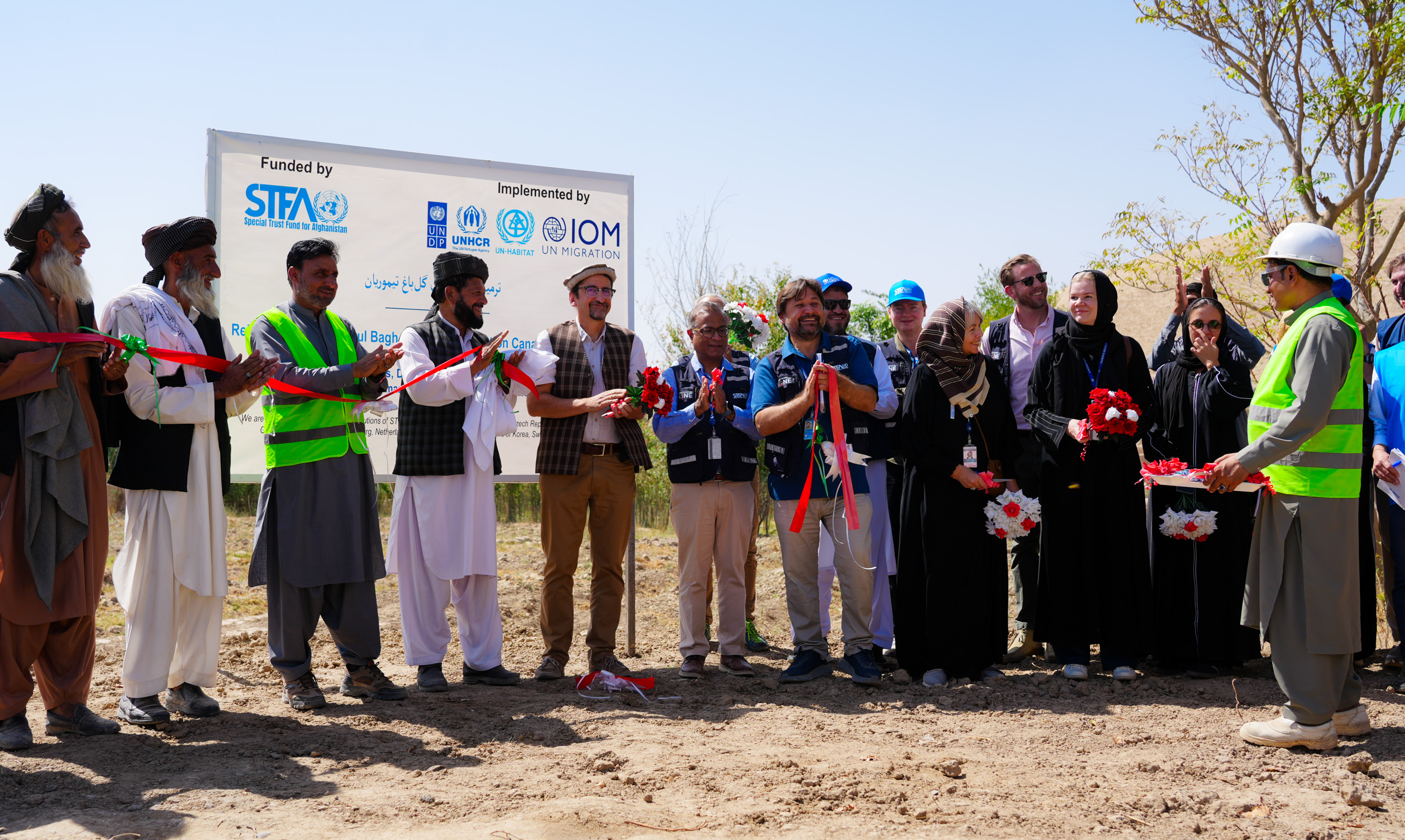
For one family, it was a safe shelter. For an entrepreneur, an opportunity to start a business. For farmers, it was water flowing through rehabilitated irrigation canals. Elsewhere, flood-protection infrastructure was helping protect homes, crops, and livelihoods, while mine clearance was making communities safer.
One woman welcomed the delegation into the house that her family had received. Among her children is one with a disability. “Now we have a safe place for our family. Having this home gives us security. We are grateful,” she said.
At a rehabilitated irrigation canal, a farmer explained what reliable water now means for his family: “Before, we struggled to get enough water. Now we can grow our crops more reliably. It helps us feed our families and earn an income.”
The delegation also met local implementation committee members, including women and men who help identify priorities and shape interventions in their communities. Their conversations reflected a simple reality: people’s needs do not come in boxes. Communities need services and infrastructure, as well as economic independence, safety, resilience, and a voice in decisions that affect them.
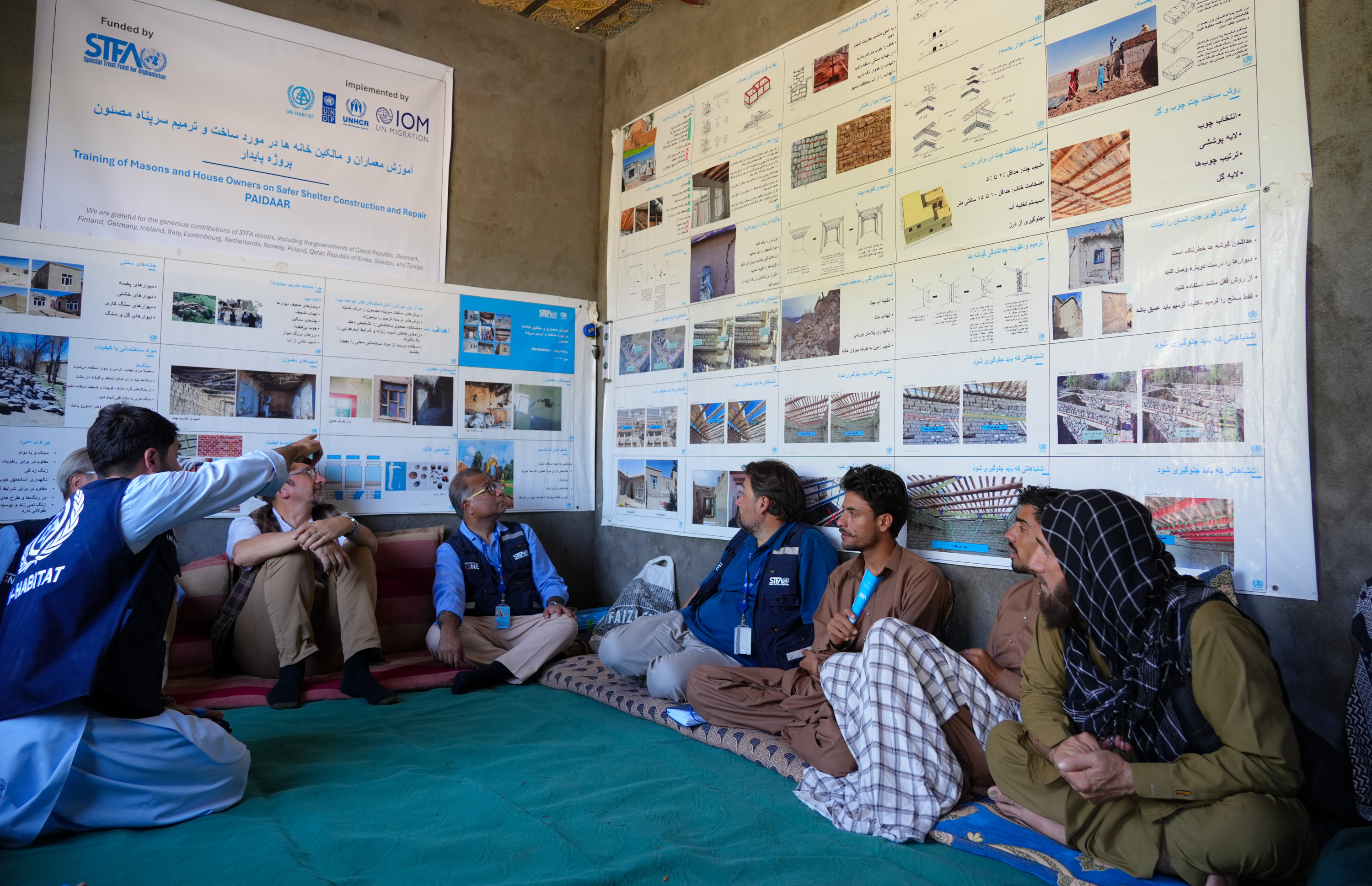
For Bruno Lemarquis, this reinforced a broader point: “Returning home is only the beginning. Families need opportunities to rebuild their lives with dignity, with shelter, livelihoods, and essential services, and communities that can support them.”
This is at the heart of PAIDAAR, as it connects immediate support with longer-term resilience and social cohesion, contributing to the Humanitarian–Development–Peace Nexus.
For representatives of Norway, Sweden, and Switzerland accompanying the mission, speaking directly with communities offered an opportunity to understand both the progress made and the gaps that remain. Across their different remarks, they echoed a common message: seeing the interventions firsthand was valuable, but listening to communities brought the scale of the needs into sharper focus.
The large-scale returns are adding pressure to already limited jobs, services, and resources, while women face significant constraints in accessing economic and other opportunities. One community representative told the delegation, “The support has helped our community, but more families are returning, and the needs are growing. We need continued support for those returning and the families already here.”
Beyond the numbers
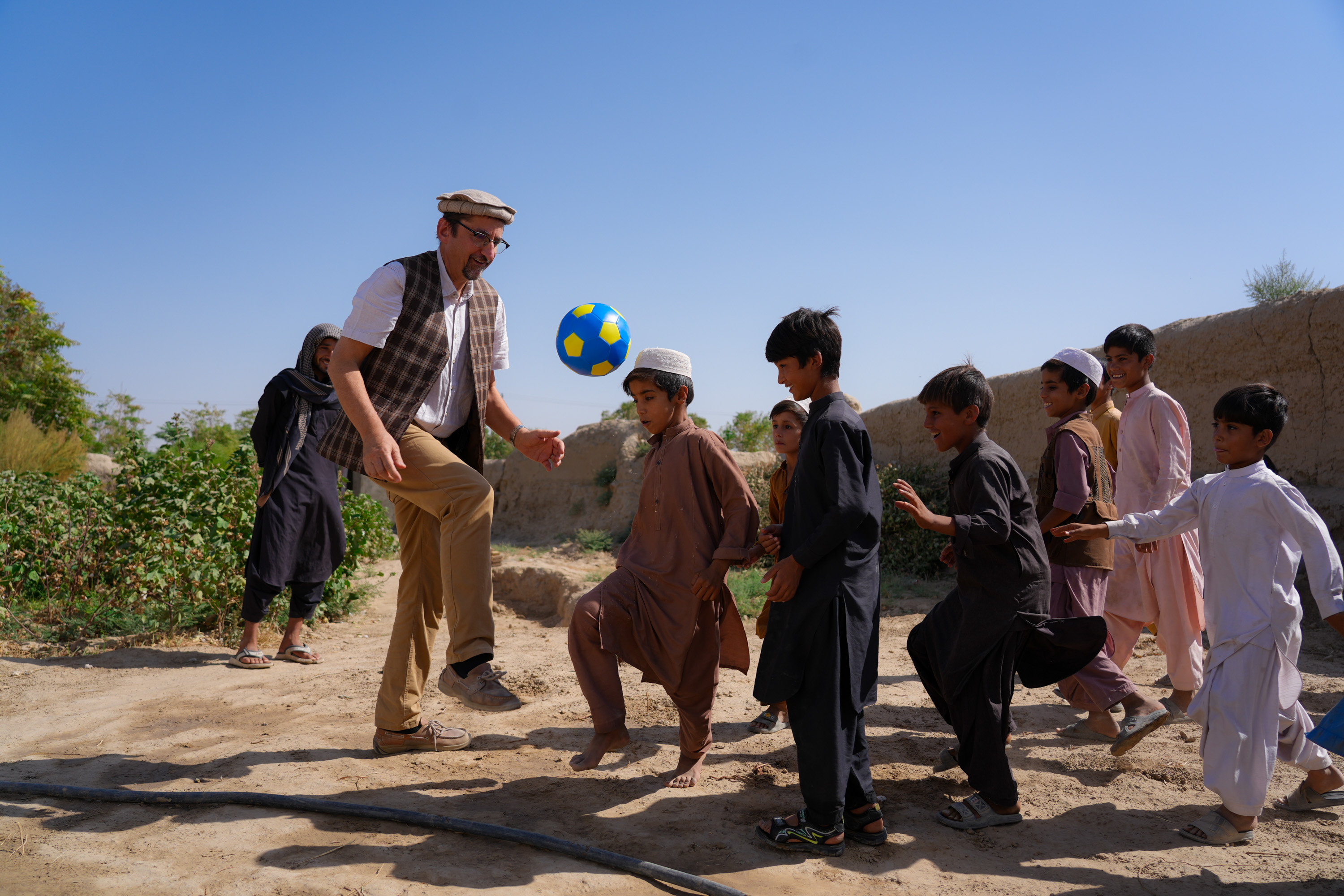
Amid the conversations were moments of simple human connection. At one site, children were taking part in mine-risk education, learning how to recognize mines and unexploded ordnance and what to do if they encountered them, knowledge no child should need, but given their context, they need it to save their lives.
After the session, we gave them a football. Within seconds, they were running, laughing, and playing. For a few minutes, they were simply children being children. It was a small moment, but a reminder of what this work is ultimately about: creating conditions for people not only to cope, but to live, work, learn, and build their futures safely.
The mission showed progress, but also the scale of what remains. “We have seen what is possible when communities, UN partners, and donors come together around shared priorities,” Bruno Lemarquis said. “But the scale of need requires sustained partnerships and support if we are to build on these results and advance durable solutions.”
Returning home is only the beginning. The greater task is enabling people to reintegrate sustainably and rebuild their lives while strengthening the communities that receive them.
Written By Immy Mulekatete, Communications Specialist, STFA