Image


The Special Trust Fund for Afghanistan (STFA) marked its fifth anniversary on 20 October. Over the past five years of support for basic human needs in Afghanistan, the STFA has enabled communities to access infrastructure and health services, to have water reaching a farmer’s field, to see a woman start her own business, and to see a returnee find shelter and a chance to reintegrate with dignity.
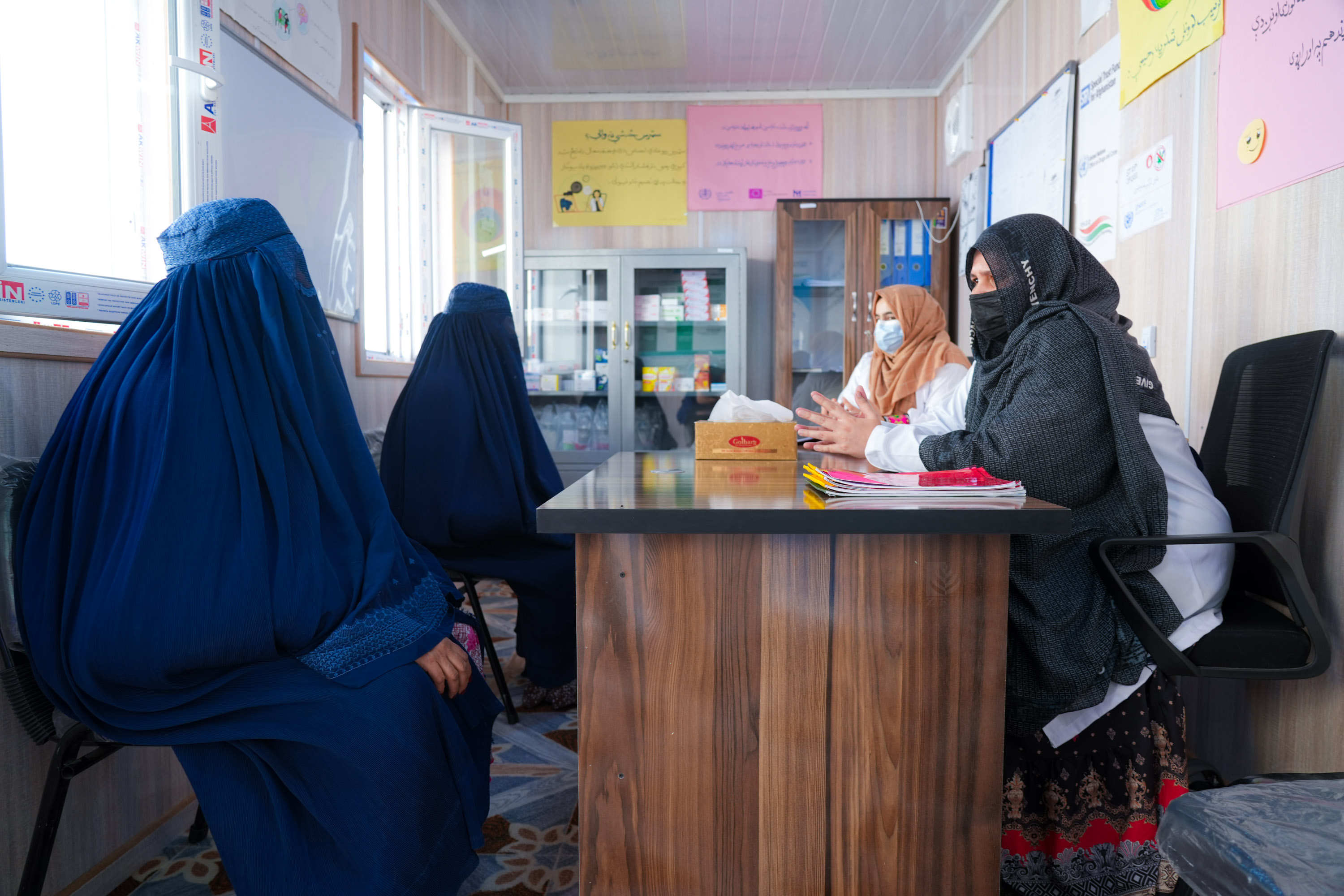
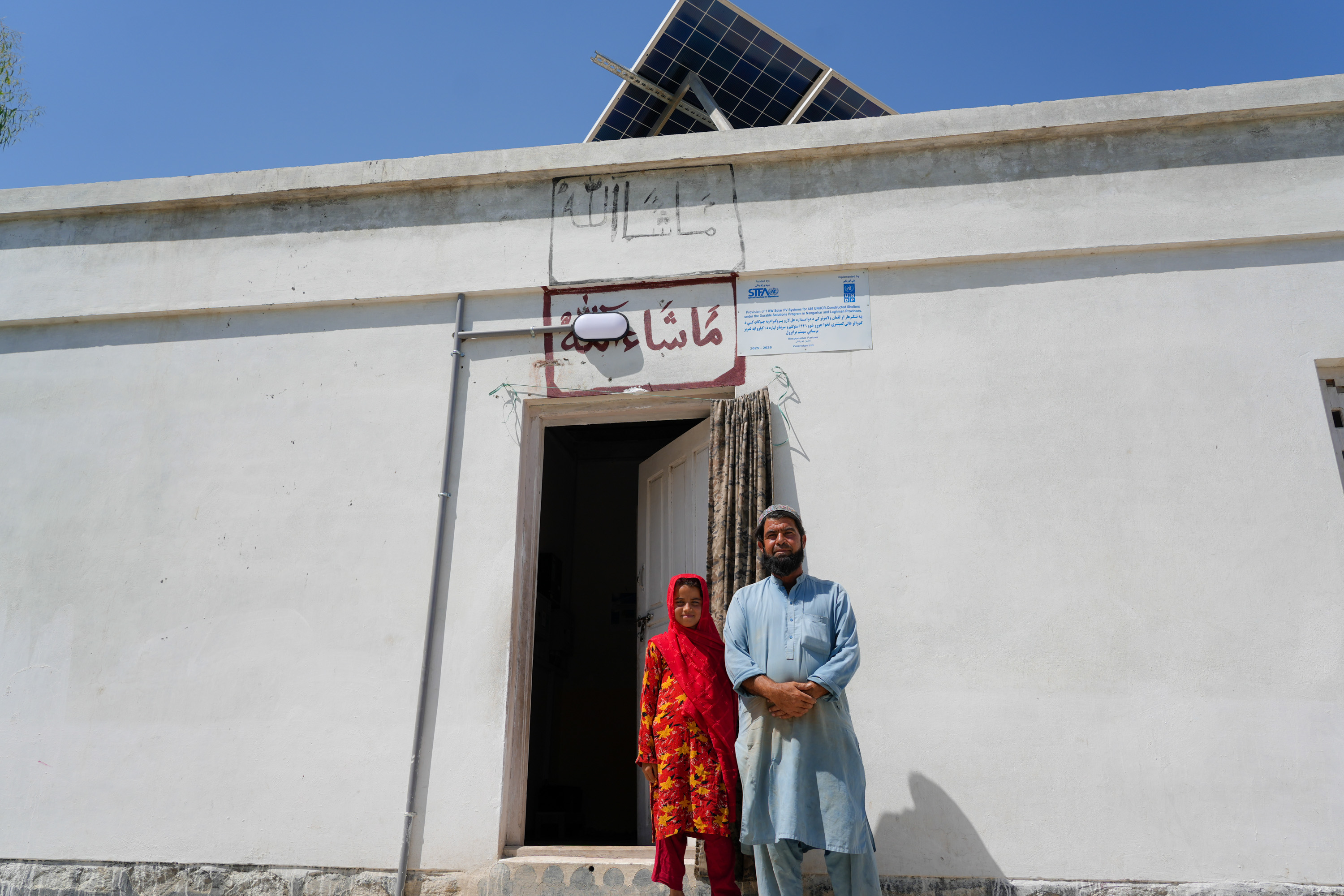
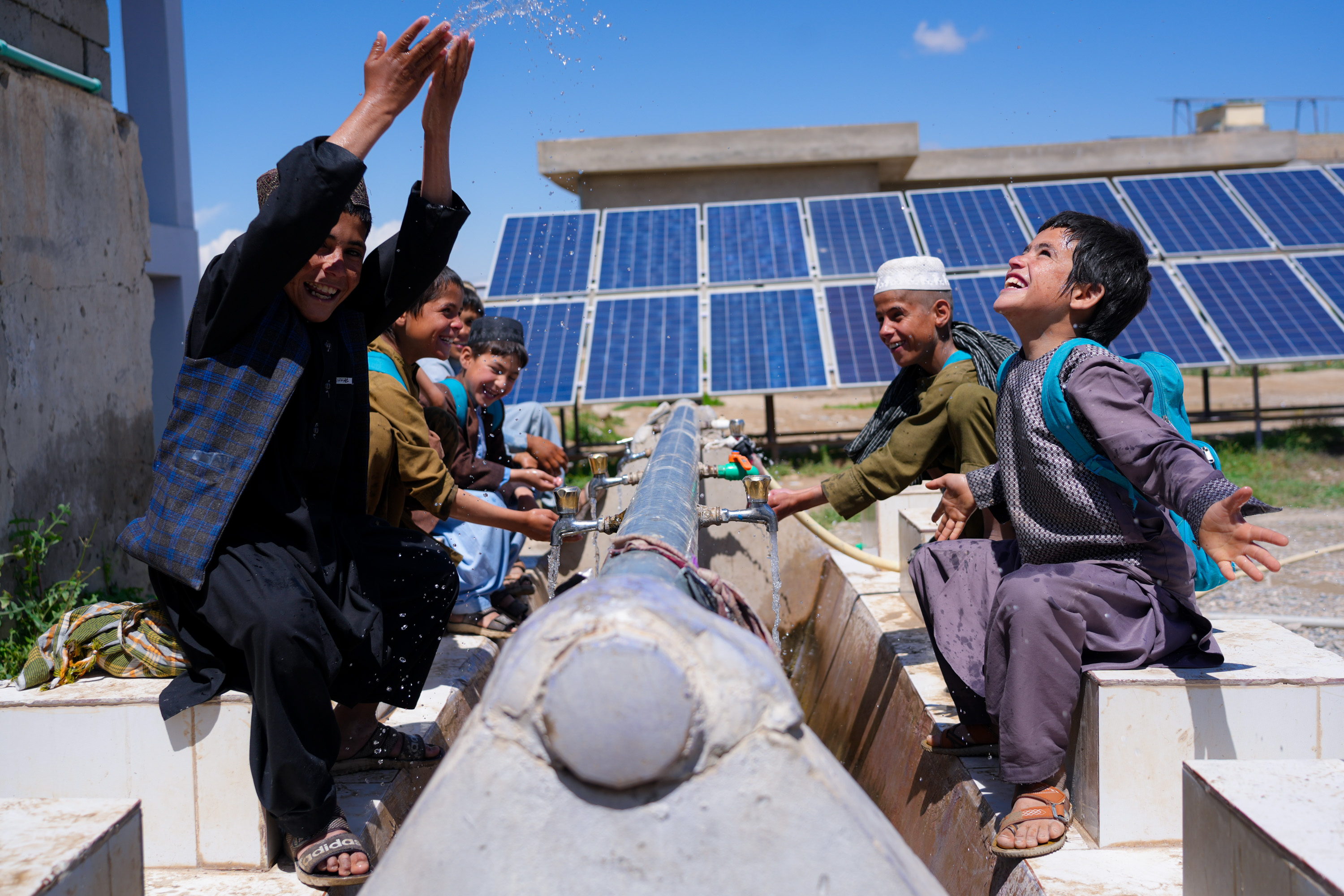
Established on 20 October 2021 amid profound uncertainty, STFA has continued to bring together donors and UN organizations to address Afghanistan’s interconnected development challenges through a coordinated approach.
STFA has reached over 8 million people, 51% of them women and girls, through more than 10 interventions implemented by 15 UN agencies. With a portfolio approaching US$300 million, the Fund has supported access to essential services, improved livelihoods, and strengthened community resilience.
These years have reinforced three important lessons.
First, the whole is more than the sum of its parts. Afghanistan’s challenges are interconnected and cannot be addressed through isolated interventions. The value of joint programming lies not simply in bringing UN organizations together, but in combining their comparative advantages around shared priorities and outcomes. The STFA provides a mechanism to move beyond fragmented, project-based responses towards more coherent, integrated, and strategic investments.
Second, local ownership is key to lasting impact. Effective development cannot be designed from the outside. Communities must identify priorities, shape interventions, and assess results. This is particularly important in Afghanistan, where local realities vary considerably, and opportunities for participation are often constrained. Investing in local capacities, ensuring the inclusion of women and marginalized groups, and strengthening community ownership are not simply matters of principle. They are essential to the relevance, effectiveness, and legitimacy of our work.
Third, resilience and sustainability must be built into investments from the outset. Meeting immediate needs remains essential, but lasting progress requires addressing the vulnerabilities that perpetuate dependence on external assistance. This means strengthening the capacities and systems that allow communities to sustain progress, adapt to changing circumstances, and withstand future shocks. The measure of success is ultimately not just what we deliver, but what continues to benefit communities after our interventions end.
With all the early joint programmes funded by the STFA now completed, evaluations are helping us understand what worked and what needs improvement. Evaluations of the Northern and Southern Region Joint Programmes, the Herat earthquake recovery initiative, and the drug use prevention, treatment and rehabilitation initiative found that beneficiaries were largely satisfied with the support received. Many also reported improvements in their livelihoods and access to essential services. However, concerns remain about the sustainability of some interventions, and the context demands greater attention to women and marginalized groups.
A new chapter for STFA
The decision by STFA’s Steering Committee on 22 October 2026 to extend the Fund until 2030 is a vote of confidence in what has been achieved and a recognition of the continued need for the STFA’s approach, informed by lessons learned and the evolving expectations of the UN, as well as the limitations the system continues to face.
There is much to build on, but Afghanistan today faces challenges of a different scale than it did five years ago. An estimated 6.5 million Afghans have returned from Pakistan and Iran. Most have arrived with little or nothing, settling in communities already struggling with poverty, limited services, and limited economic opportunities. Repeated climate disasters have added to these pressures, while restrictions on women and girls continue to limit their access to education, employment and public life.