Image
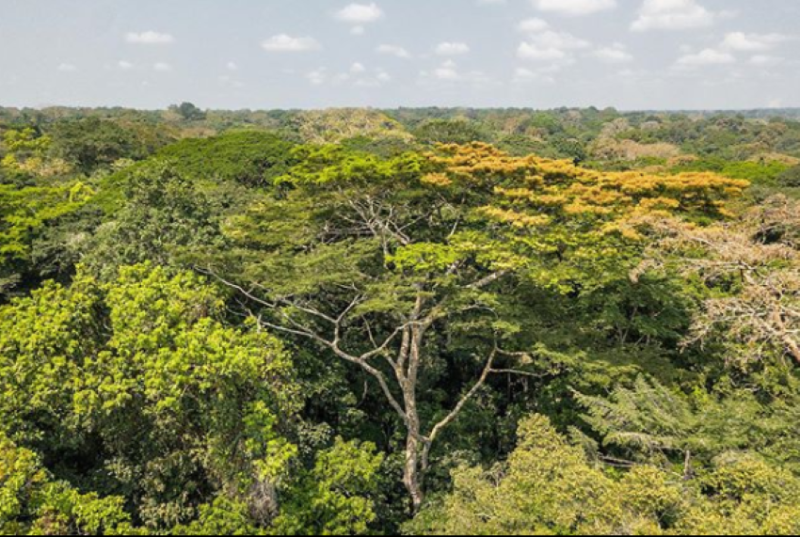

Forest-based enterprises produce goods and deliver services derived from forest ecosystems and resources while promoting sustainable livelihoods and supporting the sustainable management and long-term ecological integrity of forests.
As such, they can help reduce pressure on forests, thereby contributing to the translation of REDD+ policies into action. In doing so, they can provide rural and local communities with clear incentives to protect forests and manage land responsibly.
The project helped approximately 30 forest-based enterprises to strengthen key skills, including developing clear value propositions, understanding customer needs, mapping competitors and partners, designing viable business models, and identifying effective marketing channels. In addition, the incubation program provided insight into how these enterprises can contribute to implementing the DRC’s National REDD+ Strategy.
So, what role can these enterprises play in implementing REDD+?
Forest-based enterprises sit at the center of sustainable land-use
Land-use can be shaped by forest-based enterprises. They can often rely on maintaining intact or sustainably managed forests for their income, giving communities strong incentives to prevent deforestation and land degradation. Rather than clearing land for short-term gain, communities can engage in longer term economic activities that protect, manage sustainably or even restore forest cover, creating a win-win scenario where livelihoods and ecosystems can thrive together.
Whether implemented separately or in combination, a variety of business models show how forest-based enterprises can align economic and environmental goals. Agroforestry systems, for example, combine tree cultivation with crops or livestock, generating diverse income streams while preserving tree cover and soil quality. Reforestation and sustainable forest management restore degraded lands and create long-term value. Forest product value chains, such as sustainably harvested fruits, nuts, or medicinal plants, produce marketable goods that rely on intact forests. Additionally, projects that generate carbon credits provide enterprises with a direct financial incentive to protect and conserve forests, allowing them to monetise the emission reductions and climate benefits of their sustainable practices.
Forest-based enterprises can drive sustainable supply chains and reduce illegal activities

By offering incomes to local communities, they can help shift production away from extractive and illegal practices that contribute to forest loss. They can also be key actors in adopting traceability systems to enhance transparency of land use across the supply chain, influencing forest management and the movement of products within local and global markets, while supporting REDD+ implementation efforts to monitor and verify changes in land use. When implemented by forest-based companies, such systems can enable value chain actors and consumers to verify environmental and social compliance, directly supporting REDD+ efforts.
Forest-based enterprises can drive the on-the-ground implementation of REDD+ policies
REDD+ strategies set ambitious targets for reducing forest-related emissions, and achieving these outcomes depends on action at the local level. By adopting and scaling sustainable forest-based business models, forest-based enterprises can provide communities with clear incentives to implement forest-friendly practices. When forest-based enterprises operate as part of a jurisdiction and jurisdictional program through nesting, they can enable approaches that deliver measurable climate benefits at scale, integrating project-level interventions into broader national and subnational REDD+ frameworks. This moves beyond isolated project impacts to advance long-term jurisdictional objectives, ensuring that emission reductions are verifiable, sustainable, and aligned with both local livelihoods and global climate goals.
Forest-based enterprises support local livelihoods and drive co-benefits under REDD+
Beyond climate outcomes, forest-based enterprises deliver a wide range of social and economic benefits for forest-dependent communities. They can create jobs, increase household incomes, improve food security, and promote climate-resilient agricultural and forest management practices. By generating sustainable livelihoods, these enterprises can provide communities with tangible incentives to protect and sustainably manage forest resources, connecting economic benefits directly to forest protection and sustainable management.
By combining livelihood support with forest conservation, they strengthen both social and environmental outcomes, ensuring REDD+ interventions are sustainable, equitable, and verifiable. This dual focus helps make forest protection not only a policy goal but also a practical and lasting reality for communities on the ground.
Looking ahead
As REDD+ transitions from implementation to results-based finance in the DRC and other forest-rich countries, forest-based enterprises can provide powerful incentives for communities to manage forests responsibly by generating steady revenue while preserving ecosystems. By strengthening their technical, financial, and managerial capacities and scaling innovative business models that generate multiple income streams particularly carbon credits generation, forest-based enterprises, when nested within jurisdictional programs, can access emerging and inclusive carbon finance opportunities, further amplifying climate and socioeconomic outcomes. These outcomes include reducing deforestation and forest degradation, enhancing biodiversity, and ensuring the provision of ecosystem services, while supporting local livelihoods and creating resilient, transparent supply chains.
Originally published on un-redd.org